Estoy en Puno!
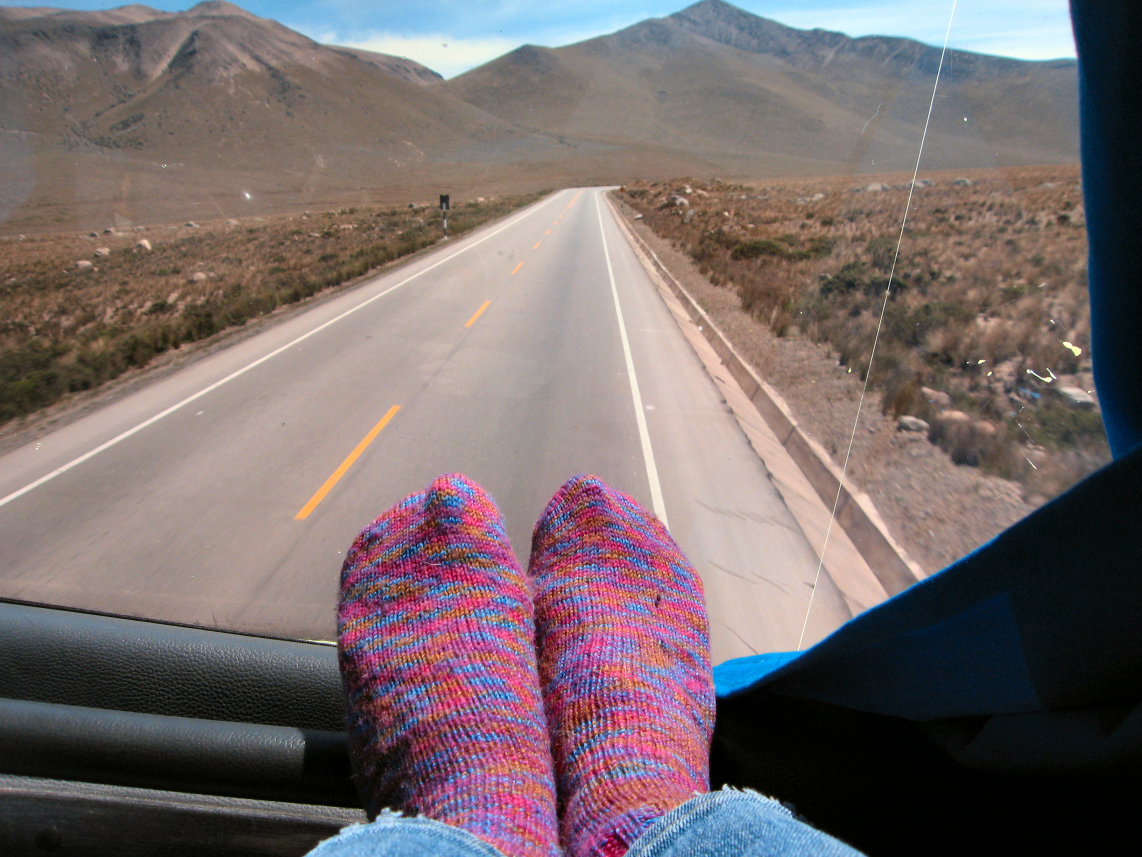
The south of Peru reminds me of some of the landscapes you see in the Southwest. Miles and miles of open desert country, with an occasional river running through.
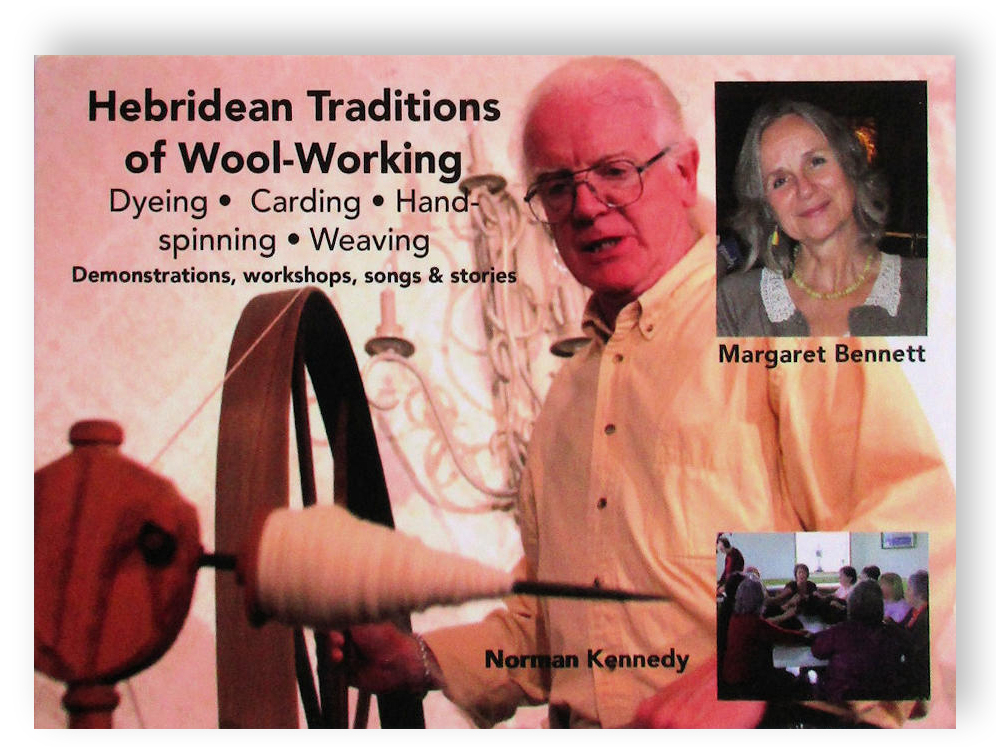
Quest for Fiber: Serendipity Too Blatant to Ignore
The theme that I picked for my journey before I began was “Expect the Unexpected” because I wanted to keep my heart open to every possibility. Little did I know how profoundly this theme would manifest itself in the coming year.
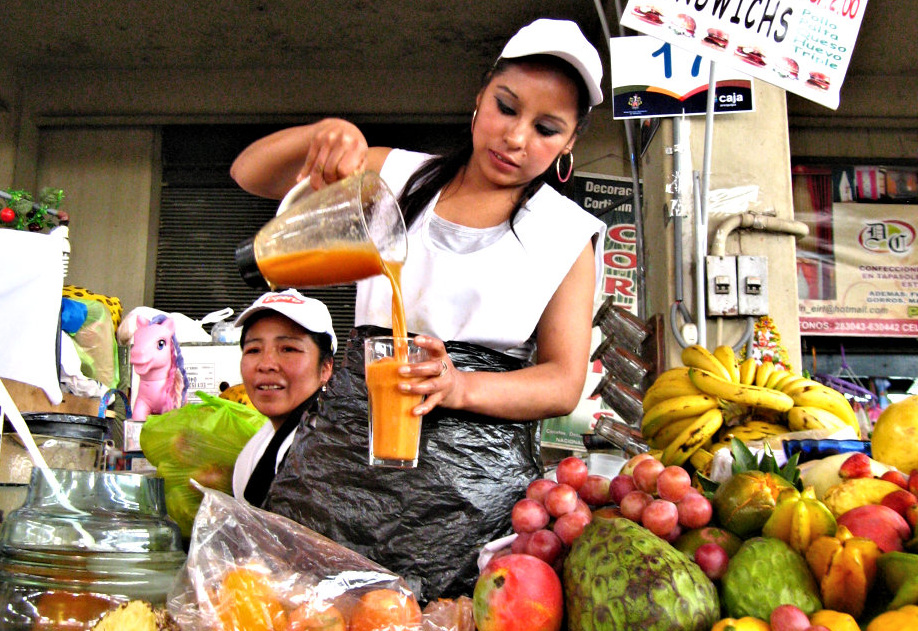
Smoothies? You ain’t Seen Nothin’
Smoothies? You ain’t Seen Nothin’ The Juice Ladies of San CamilloOne of the highlights of the San Camillo market in Arequipa, is the long line

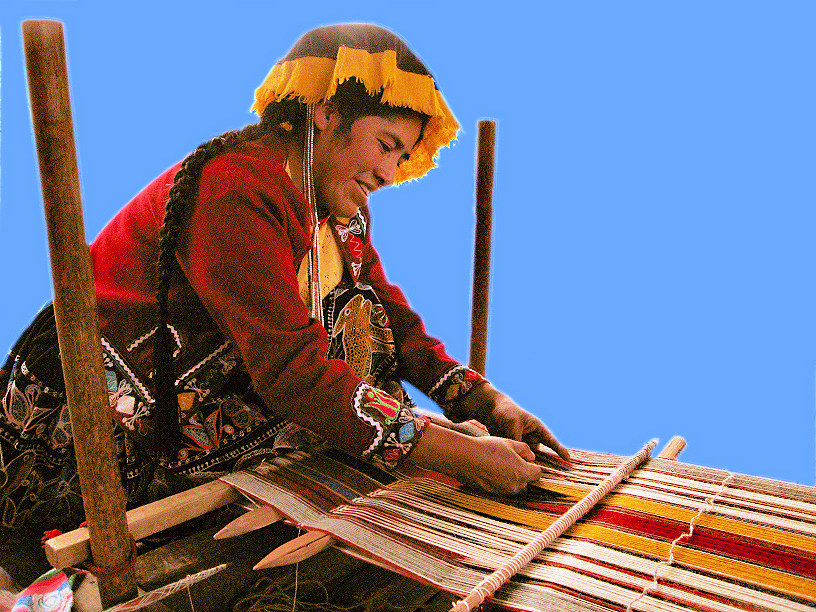
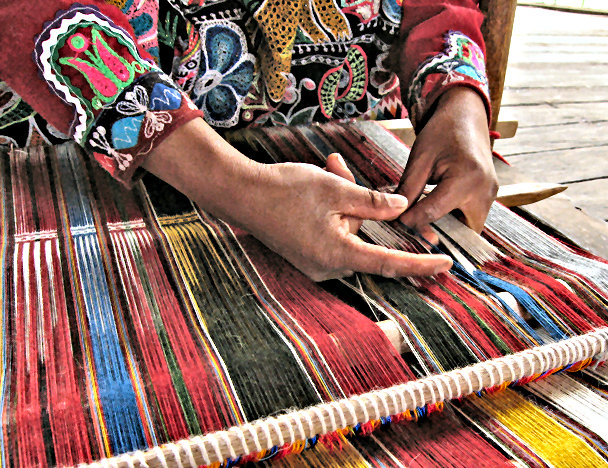
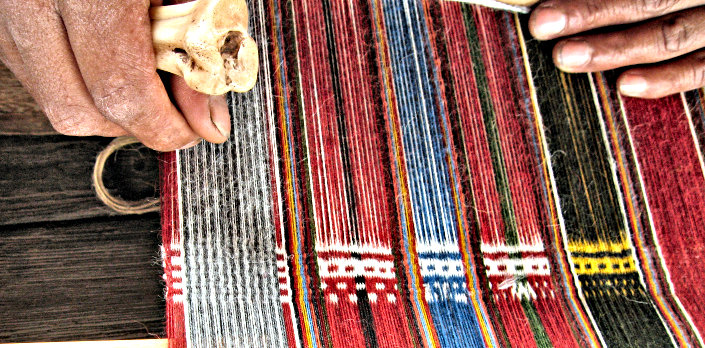
1 thought on “Quest for Fiber: Quechua Weaving”
Cathy,
Thanks. Reminds me of when I learned backstrap weaving from Mayan Indians in Guatemala in the winters of 1976 and 1978. It took me 4 hours to weave about 1 inch. I still have one of the weavings I created in San Lucas de Toliman, a town in the highlands of Guatemala. One of my teachers was the best multi-tasker I have ever seen in my life. She taught and oversaw 2 gringos weaving, cooked dinner, cared for her kids, took care of the chickens, talked to neighbors, tended the cooking fire, and more all at the same time. One time a chicken landed on and into the weaving I had been working on for 2 weeks. My panic disappeared when she shooed it away without missing a step on her other tasks. At the time of those trips in the 1970s, as I told you, I had hoped to go to South America to learn weaving there, but I had so much fun in Guatemala that I stayed in Central America. But I read back then that some of the best weaving in the world has been done in the highlands of South America.